Socio Economic Growth in Low Income Group
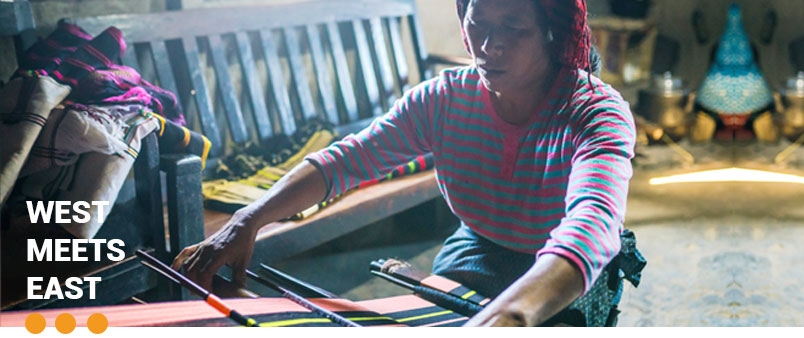
West Meets East
"There is nothing new about poverty. What is new, however, is that we have the resources to get rid of it."
– Martin Luther King Jr.
Financial inclusion has long been recognized as a vital driver of socio-economic growth in India. At its core, it seeks to provide financial services to low-income groups who have limited access to mainstream institutions. While public and private sector initiatives have made significant strides in banking the unbanked, the North-Eastern Region (NER) of our country continues to lag in attention and investment compared to the rest.
How can we hope to achieve economic liberation while excluding over 50 million of our people?
Exclusion = Denied Opportunities
Decision-makers in metropolitan cities remain geographically distant and culturally unaware of the realities in the far east. This ignorance perpetuates assumptions based on outdated or incomplete information, breeding mistrust and uncertainty.
The NER receives limited interest from financial institutions, both public and private. Unemployment is widespread due to a lack of income opportunities, leaving the region far behind in socio-economic indicators. While government grant support has increased, should it fall solely on their shoulders to uplift this area?
Inclusive Growth Begins Beyond Comfort Zones
An opportunity arose for Capri to explore this uncharted territory. Traveling over 3,000 kilometers, we reached Kohima, a hilly city in Nagaland. For the first time in our company’s history, we stepped out of our comfort zone to establish a partnership that went beyond mere business interests.
Revisiting our core value of inclusive growth, we realized this was more than a business venture—it was a chance to inspire others to join in achieving a shared goal of socio-economic empowerment.
Insights From Our Journey
Breaking Myths About Nagaland
Contrary to popular perceptions, Nagaland is safer than many well-known states in India. Its people are kind, hospitable, and welcoming—a sentiment we experienced across districts and villages.Lack of Entrepreneurship
The region heavily relies on agriculture and government jobs for income. However, we witnessed a growing shift in mindset, driven by our development partner, Entrepreneur’s Associates. This highlights immense opportunities for financial intermediaries to nurture entrepreneurship and reshape the region’s economy through guidance and partnerships.Untapped Banking Potential
Mainstream financial institutions have inadequate outreach in the region, leaving a gap for NBFCs to step in. This creates a unique opportunity for financial empowerment and regional development.Rich Natural Resources, Limited Infrastructure
The NER is endowed with vast natural resources, including forests, biodiversity, hydroelectric potential, and fertile organic farmland. However, poor infrastructure, connectivity, and communication remain significant constraints, preventing the region from realizing the economic value of its natural wealth.Strategic Trade Importance
Sharing international borders with Bangladesh, Bhutan, China, Myanmar, and Nepal, the NER holds immense potential for trade. This presents new avenues to boost productivity and employment.
Financial Inclusion: More Than Banking
Financial inclusion goes beyond access to banking services. It is about improving income, quality of life, and overall social well-being. While working in the NER poses challenges, we are optimistic that our collaboration with Entrepreneur’s Associates will create lasting, sustainable change.
Our mission remains steadfast: to bridge the gaps, challenge assumptions, and foster financial empowerment in this overlooked yet vital region of India.